Follow Me On Social Media!
Transform Your Backyard: How to Create a Classic Cottage Garden Flower Bed

Table of Contents
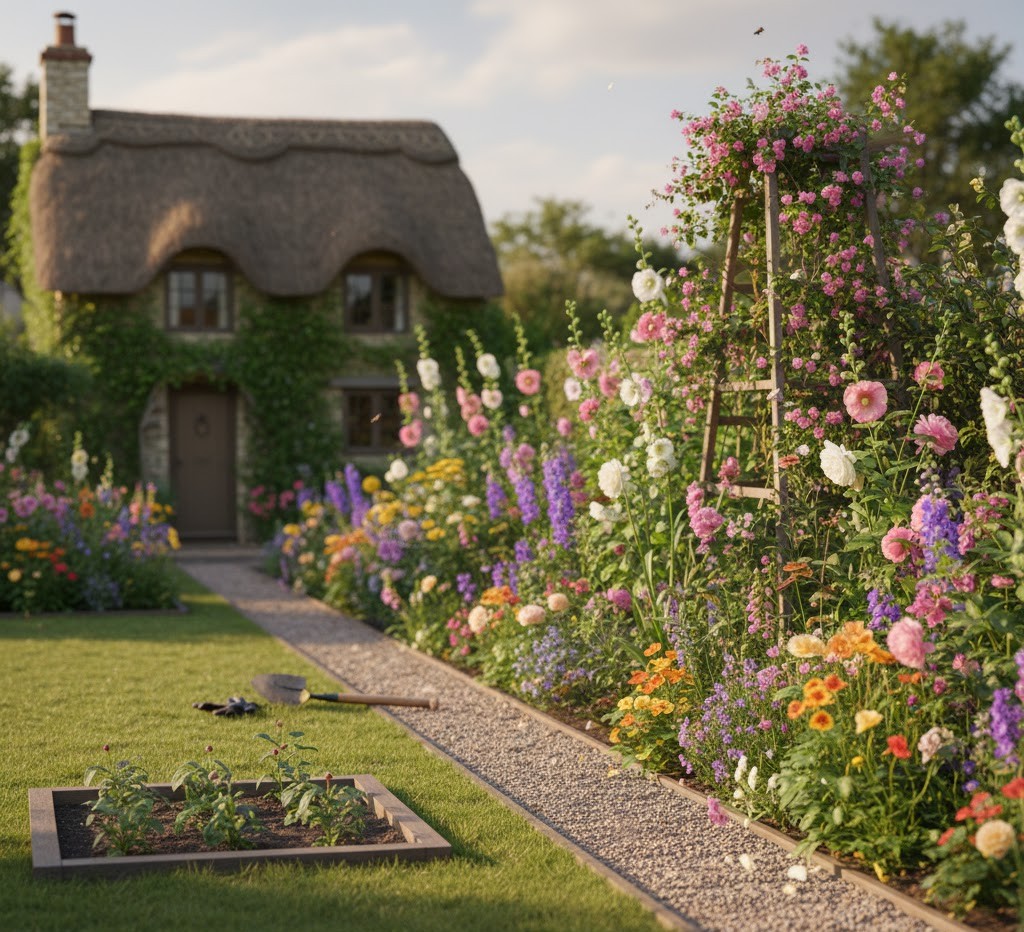
There is something inherently magical about a garden that feels like it evolved naturally over centuries. If you’re looking for a timeless, romantic look, a classic cottage garden flower bed is a fantastic choice. Unlike the rigid structure of formal landscaping, the cottage style celebrates abundance, fragrance, and a “perfectly imperfect” aesthetic. Imagine colorful blooms like daisies, lavender, and roses spilling over in a beautifully chaotic yet harmonious way.
In this guide, we will walk through everything you need to know to design, plant, and maintain your own slice of English countryside charm, ensuring your outdoor space becomes a pollinator-friendly sanctuary of scent and color.
1. Defining the Cottage Garden Aesthetic
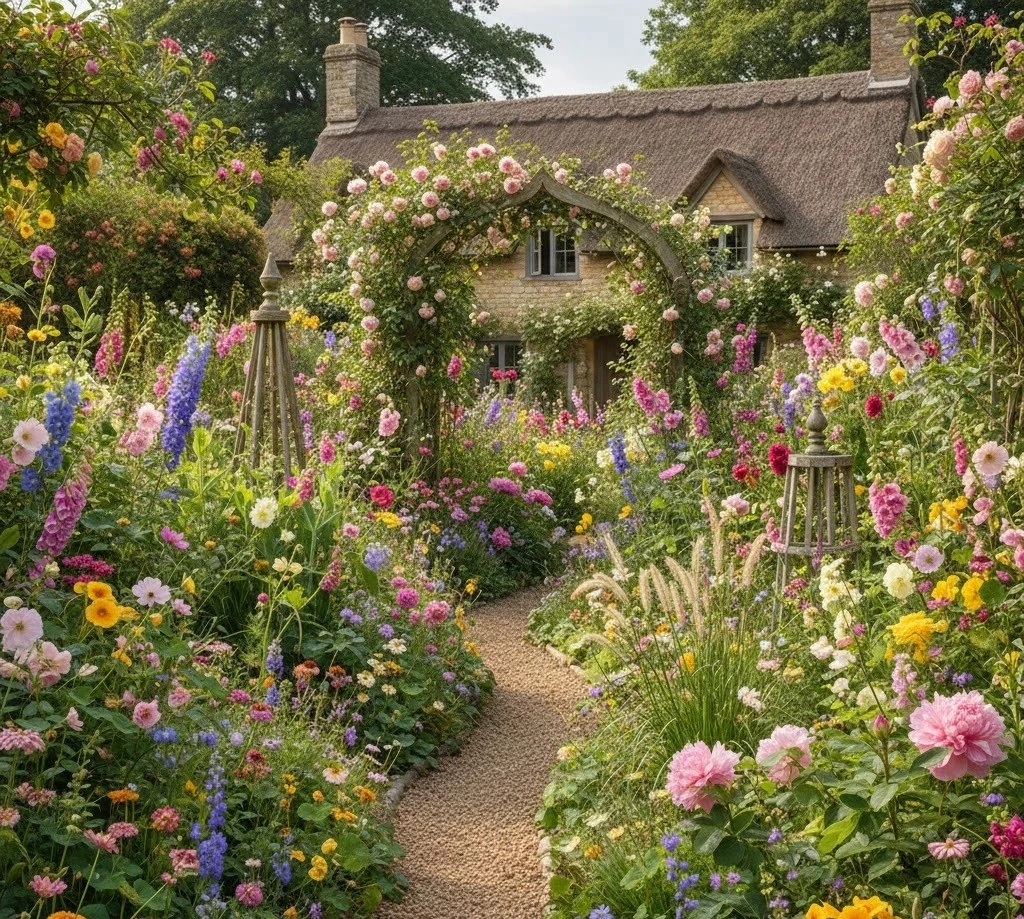
The classic cottage garden flower bed is rooted in history. Originally, these gardens were practical spaces for rural cottagers to grow herbs, fruit, and flowers together. Today, the style is defined by:
- Abundance: Every square inch of soil is covered with foliage or flowers.
- Informality: Soft edges, winding paths, and self-seeding plants.
- Diversity: A mix of perennials, annuals, bulbs, and flowering shrubs.
- Sensory Appeal: A heavy emphasis on fragrance and movement in the breeze.
2. Planning Your Layout: The Art of Layering
To achieve that lush, “overgrown” look without it becoming a tangled mess, you must master the art of layering. This style allows you to mix flowers of different heights and textures, creating a layered, lush effect that draws the eye upward and inward.
The Three-Tier Strategy
To get started, follow this simple positioning rule:
- The Backdrop (Tall): Plant taller flowers in the back (or the center if the bed is visible from all sides). Think Delphiniums, Foxgloves, and Hollyhocks.
- The Mid-Ground (Medium): Use medium-height plants in the middle to bridge the gap. Roses, Peonies, and Phlox are perfect candidates here.
- The Border (Low): Place low-growing blooms at the front for a balanced look. Use Catmint, Sweet Alyssum, or Pansies to soften the edges of your garden path.
3. Top Plant Picks for Your Classic Cottage Garden Flower Bed
Choosing the right species is crucial for maintaining that authentic, romantic vibe. Here are the “must-haves” for any cottage-inspired DIY project:
The “Big Three”
- Roses: No cottage garden is complete without climbing or shrub roses. Look for “Old English” varieties that offer heavy scents and ruffled petals.
- Lavender: Not only does it provide a Mediterranean flair, but its silver-grey foliage offers a beautiful contrast to deep green leaves.
- Daisies: Whether it’s the classic Shasta daisy or the colorful Echinacea (Coneflower), these provide the “wildflower” feel essential to the look.
Fillers and Spillers
To fill the gaps in your classic cottage garden flower bed, consider:
- Bellflowers (Campanula): For a touch of blue and purple.
- Lady’s Mantle: Known for its frothy chartreuse flowers and how its leaves catch morning dew.
- Bleeding Hearts: For a touch of woodland romance in shadier spots.
4. Soil Preparation and Mulching
A garden is only as good as the soil beneath it. Because cottage gardens are densely planted, the competition for nutrients is high.
Enriching the Soil
Before planting, dig in plenty of organic matter like well-rotted manure or homemade compost. This improves soil structure and ensures your heavy feeders (like roses and delphiniums) have the energy to bloom all season long.
The Role of Mulch
Consider using organic mulch to keep your plants thriving and maintain that soft, cottage-like charm. A thick layer of bark mulch or leaf mold serves three purposes:
- Moisture Retention: Essential during hot summer months.
- Weed Suppression: With so many flowers, you don’t want to be fighting invasive weeds.
- Aesthetic Continuity: Dark mulch makes the vibrant colors of your flowers “pop.”
5. Adding “Hardscape” Elements
While flowers are the stars, the “bones” of the garden provide the necessary structure. To enhance your classic cottage garden flower bed, integrate these DIY elements:
- Rustic Fencing: A simple picket fence or a wattle hurdle provides a beautiful backdrop for flowers to peek through.
- Arbors and Obelisks: Give your climbing roses and Clematis a place to go. Vertical interest is a hallmark of this gardening style.
- Weathered Pathways: Use gravel, stepping stones, or reclaimed bricks. Avoid perfectly straight lines; gentle curves feel more organic and inviting.
6. Seasonal Maintenance: Keeping the Chaos Controlled
The beauty of a cottage garden is its relaxed nature, but it does require some “editing” to keep it from becoming a jungle.
- Deadheading: Regularly remove faded blooms to encourage the plant to produce more flowers rather than energy-consuming seeds.
- Staking: Tall, top-heavy plants like Peonies and Delphiniums may need discrete support from bamboo stakes or specialized metal rings.
- Dividing: Every few years, your perennials may become overcrowded. Dig them up in the autumn or early spring, split them, and replant them to rejuvenate the bed.
7. Inviting Nature In
A classic cottage garden flower bed is more than just a visual treat; it’s a living ecosystem. By choosing a variety of nectar-rich plants, you’ll attract:
- Bees and Butterflies: Essential for pollination.
- Songbirds: Who will visit for seeds (if you leave some flower heads in late autumn) and insects.
- Beneficial Insects: Like ladybugs, which act as natural pest control for your roses.
Conclusion: Your Timeless Garden Awaits
Creating a classic cottage garden flower bed is a rewarding DIY project that pays dividends in beauty and tranquility. By focusing on layered heights, a mix of perennial favorites, and rich organic soil, you can transform any ordinary yard into a romantic retreat. Remember, there are no strict rules—if you love a flower, find a spot for it!
The “chaos” of the cottage style is exactly what makes it so personal and charming. Start small, plant what you love, and watch as your garden grows into a lush, fragrant masterpiece that looks like it stepped right out of a storybook.