Follow Me On Social Media!
Quick Way to Grow Garden Salad in 5 Easy Steps

Introduction
Have you ever wondered how satisfying it could be to pluck fresh vegetables right from your backyard? Growing your own garden salad can not only amplify your cooking but also ensure you’re eating something wholesome and nutrient-rich. With a bit of know-how, you can convert even a small space into a bounty of fresh greens. Alongside your greens, knowing some fresh salad dressing recipes can make your homemade salad flavorful and enjoyable.
Table of Contents
Materials & Supplies
To start your garden salad journey at home, you’ll need several essential items and possibly a few extras to enhance the process:
– Seeds: Lettuce, arugula, spinach, and other leafy green seeds.
– Soil: Well-draining, fertile soil rich in organic matter.
– Pots or Planters: Depending on your space, choose suitable sizes.
– Fertilizers: Organic compost or a balanced fertilizer.
– Gardening Tools: Spade, trowel, gloves, and watering can.
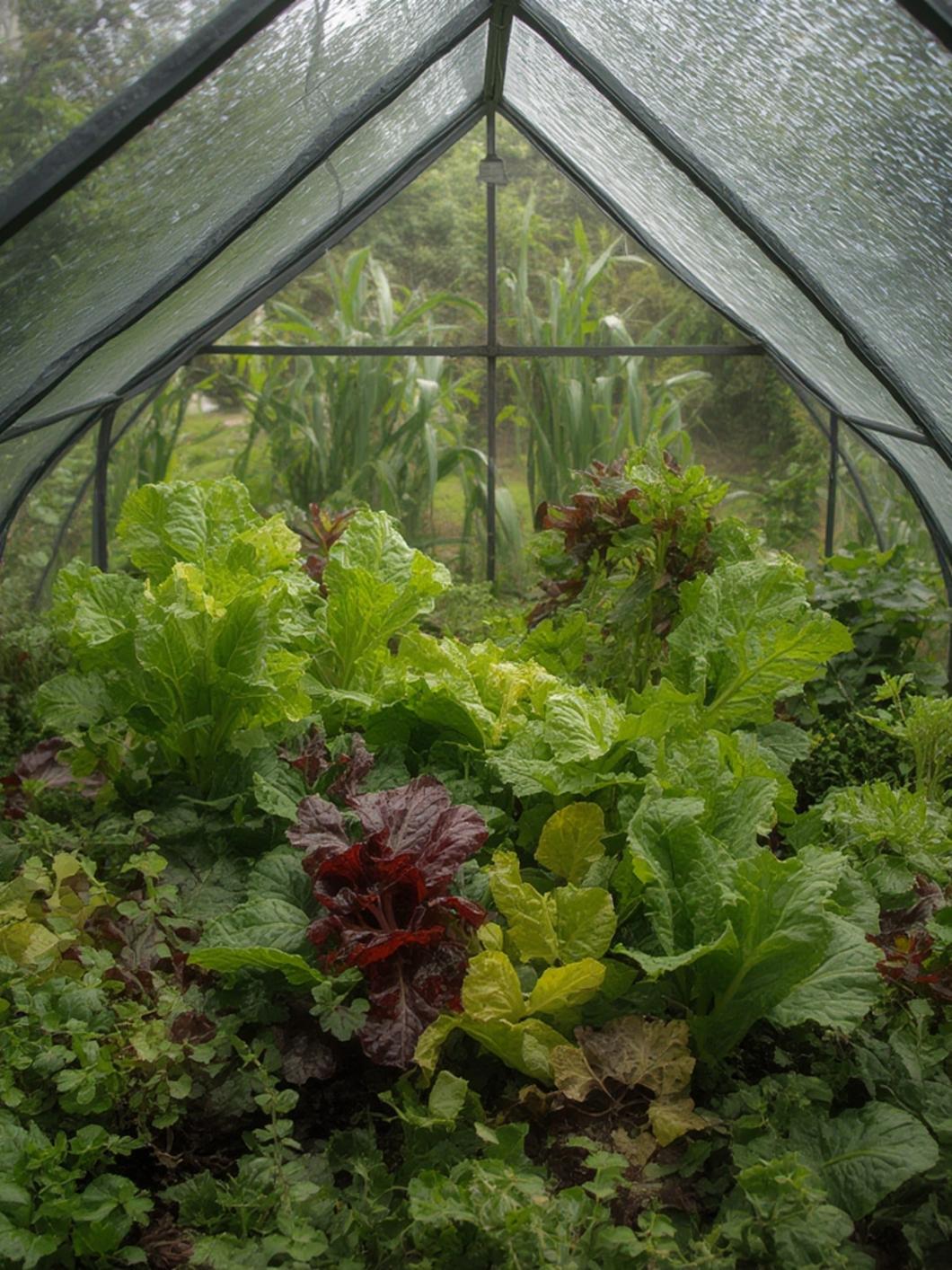
– Optional: Mulch, for retaining moisture, and a small greenhouse or cloth covers to protect from pests.
Timing / Growing Schedule
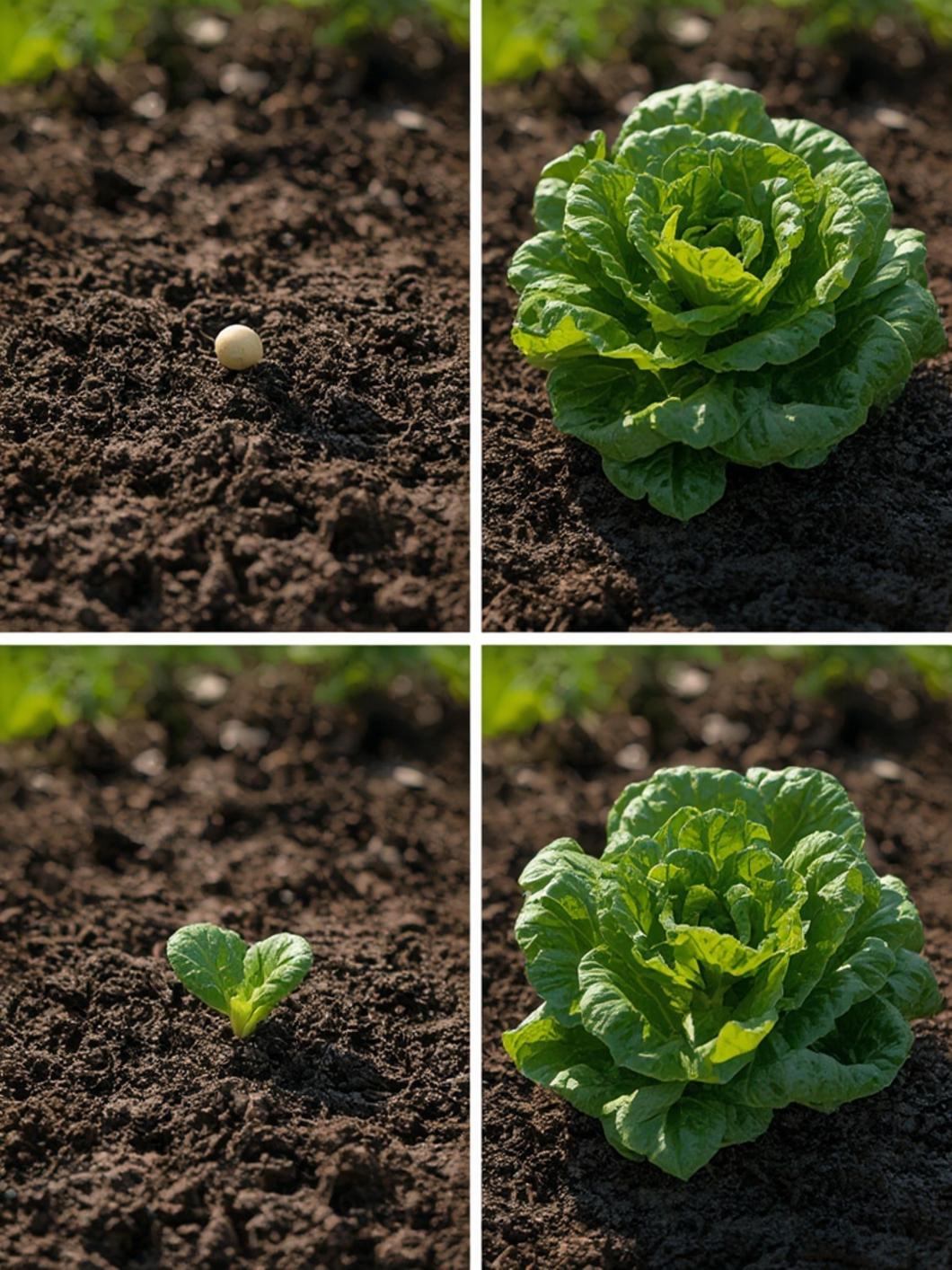
Preparation for planting your garden salad usually begins in early spring, as soon as the frost has passed. The growth period ranges from 4 to 8 weeks, depending on the varieties chosen. Harvest typically can begin when leaves appear full and vibrant, often just a few weeks after planting. With staggered planting, you can enjoy continuous harvests throughout the warmer months.
Step by-Step Instructions
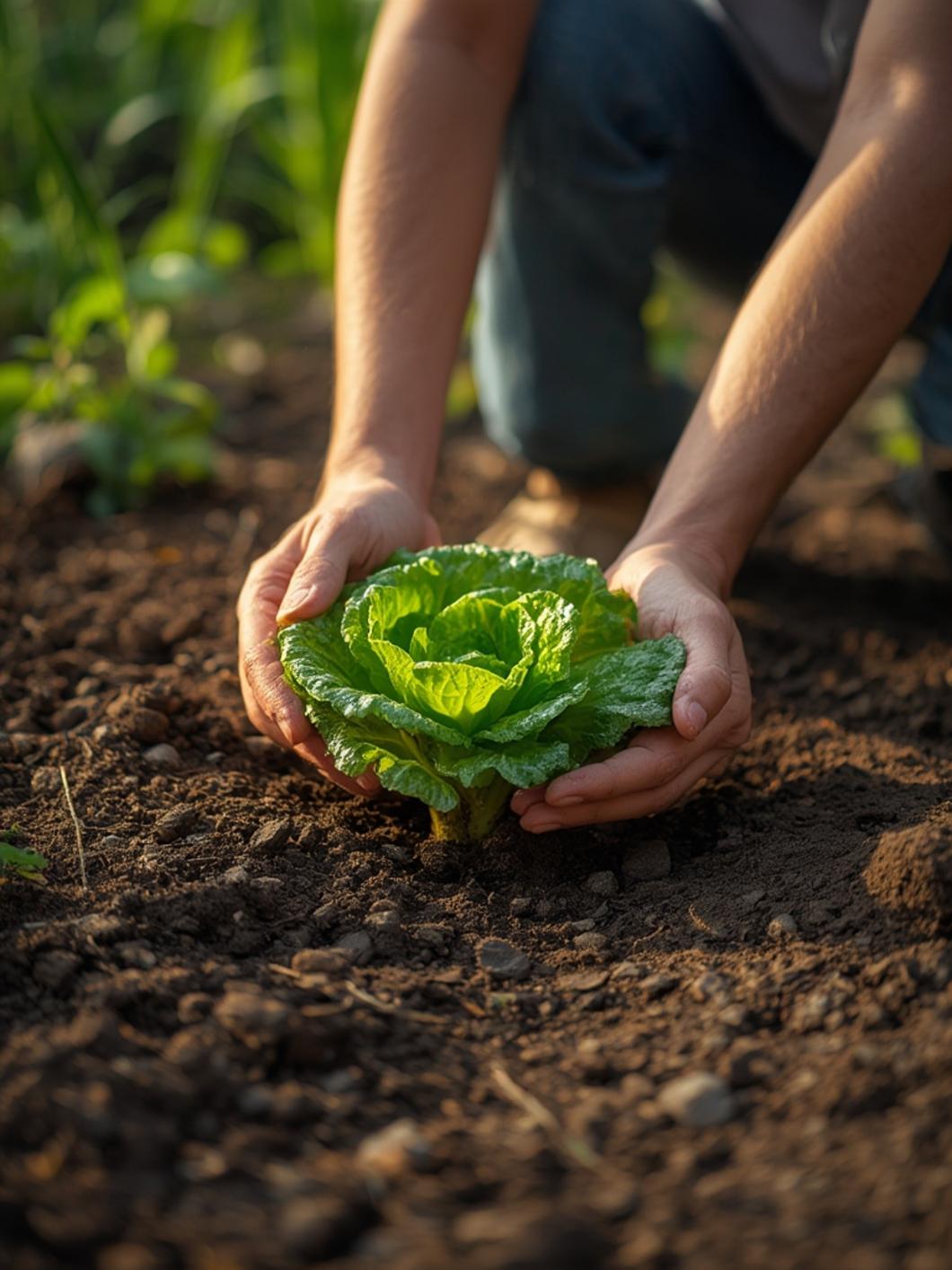
1. Prepare Your Soil: Start by enriching your soil with compost; loamy soil is perfect for leafy greens.
2. Sow Seeds: Plant the seeds as instructed on their packet, usually just under the surface of the soil.
3. Water Gently: Keep the soil moist but not waterlogged to encourage germination.
4. Thin Out Seedlings: As they grow, thin the seedlings to prevent overcrowding.
5. Weed and Feed: Regularly remove weeds and apply a light fertilizer every few weeks.
6. Harvesting: Harvest leaves from the outside to continue growth. Keep your garden salad thriving by regular picking and pair it with some creative salad dressing recipes.
Nutritional Benefits / Advantages
Growing garden salad greens isn’t just about having fresh food at your doorstep. These greens are packed with vitamins A, C, and K, as well as iron and calcium. Homegrown means no chemical preservatives, and you can reap the full taste and health benefits straight from the soil.
Tips, Alternative Methods, or Gardening Advice
Container gardening is excellent for those with limited space. Raised beds can help back strain and improve drainage, which is ideal for salad greens. For climates with erratic weather, consider indoor gardening with a grow light to protect your plants and extend the growing season.
A common mistake is overwatering, leading to root rot. Ensure proper drainage and let the soil dry out slightly between watering. Another mistake is planting too early in the season, which exposes young plants to frost. Always wait until the risk of frost has passed.
Once harvested, wash your greens and spin them dry. Store them in a salad spinner with a little paper towel to absorb excess moisture, which helps keep them fresh. Regularly check plants for pests and disease, treat naturally when possible, and rotate crops each season to maintain soil health.
Conclusion
Growing a garden salad at home is an enriching experience that can give you a continual supply of fresh greens. It’s a way to ensure what you’re eating is wholesome, and pairing it with homemade salad dressing recipes can truly elevate your dining experience. Why not share your green thumb results with friends and inspire them to start their own garden?
FAQs
1. How often should I water my garden salad?
– Water every other day or as needed, ensuring the soil remains moist but not soggy.
2. What are the best conditions for growing salad greens?
– Cool to moderate temperatures and a few hours of daily sunlight are ideal.
3. Can I reuse potting soil for growing salad greens?
– Yes, but refresh it with new compost or organic matter to replenish nutrients.
4. How can I make my greens grow faster?
– Ensuring optimal soil, regular watering, and occasional fertilization will help speed up growth.
5. What are some easy salad dressing recipes for beginners?
– Start with a simple vinaigrette: oil, vinegar, salt, pepper, and a choice of herbs. Experiment with additions like mustard or honey for variety.