Follow Me On Social Media!
Proven Way to Grow a Zoned Garden in 8 Steps

Introduction
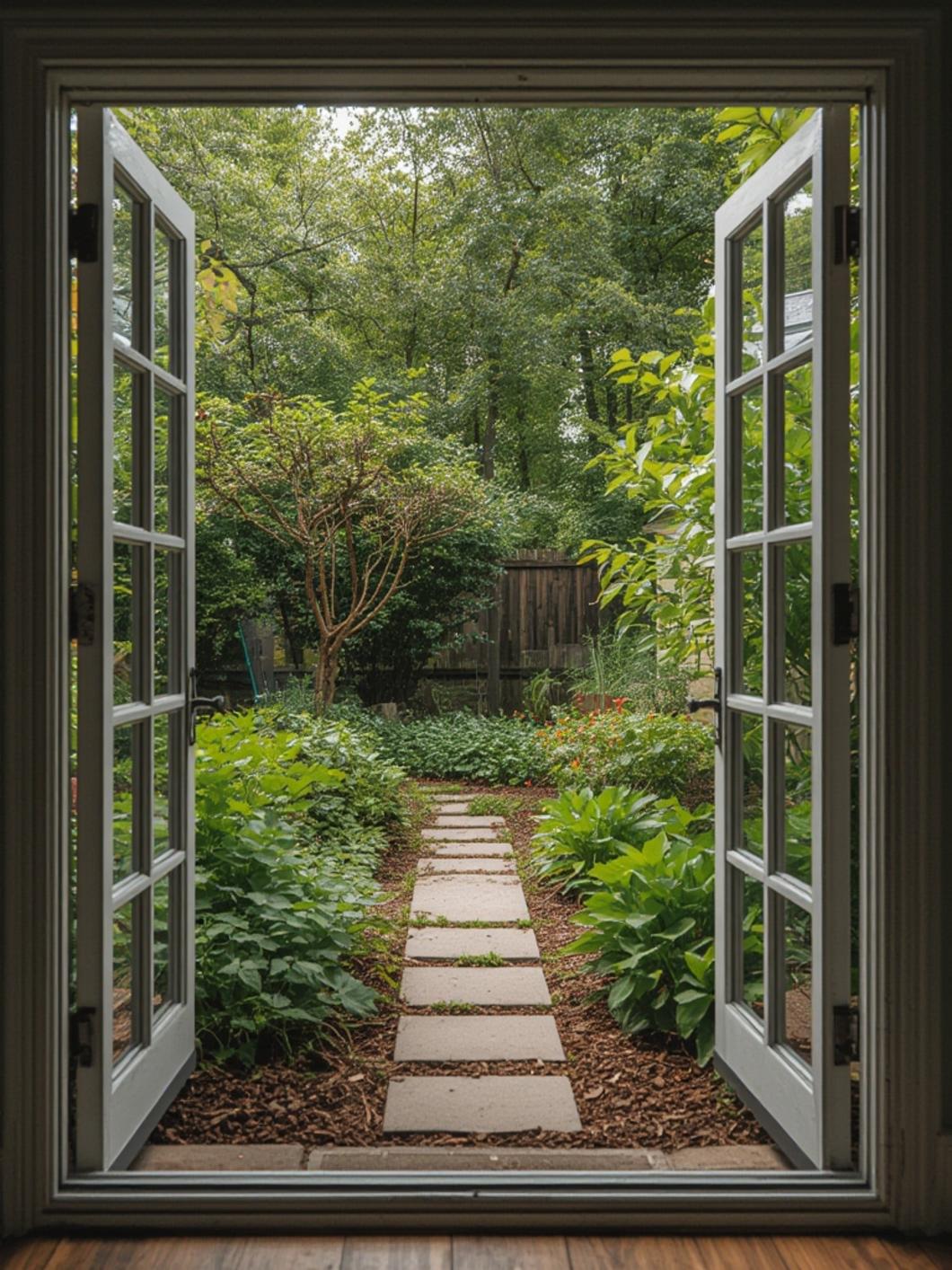
Have you ever considered transforming your backyard into a thriving zoned garden? Not only does garden zoning streamline the cultivation process, but it also enhances the health and productivity of your plants. By integrating garden zoning tips into your gardening strategy, you create an environment where plants can flourish. Whether you’re a novice or a seasoned green thumb, understanding the rationale and techniques behind garden zones is pivotal for a bountiful harvest.
Table of Contents
Materials & Supplies
To kickstart your journey in creating a zoned garden, you’ll need the following:
– Seeds specific to each zone: Choose seeds that are well-suited to the climate and soil condition of each zone.
– Soil Mix: Tailored to the needs of different plants. For instance, sandy soil for root vegetables and heavier loam for perennials.
– Pots and Containers: Optional, especially if space or soil quality is a concern.
– Fertilizers: Organic varieties preferred, customized for each plant group.
– Gardening Tools: Trowels, pruning shears, watering cans, and a good pair of gloves.
Each material plays a unique role in nurturing the specific needs of zoned plantations, ensuring that your garden zones are well equipped.
Timing / Growing Schedule
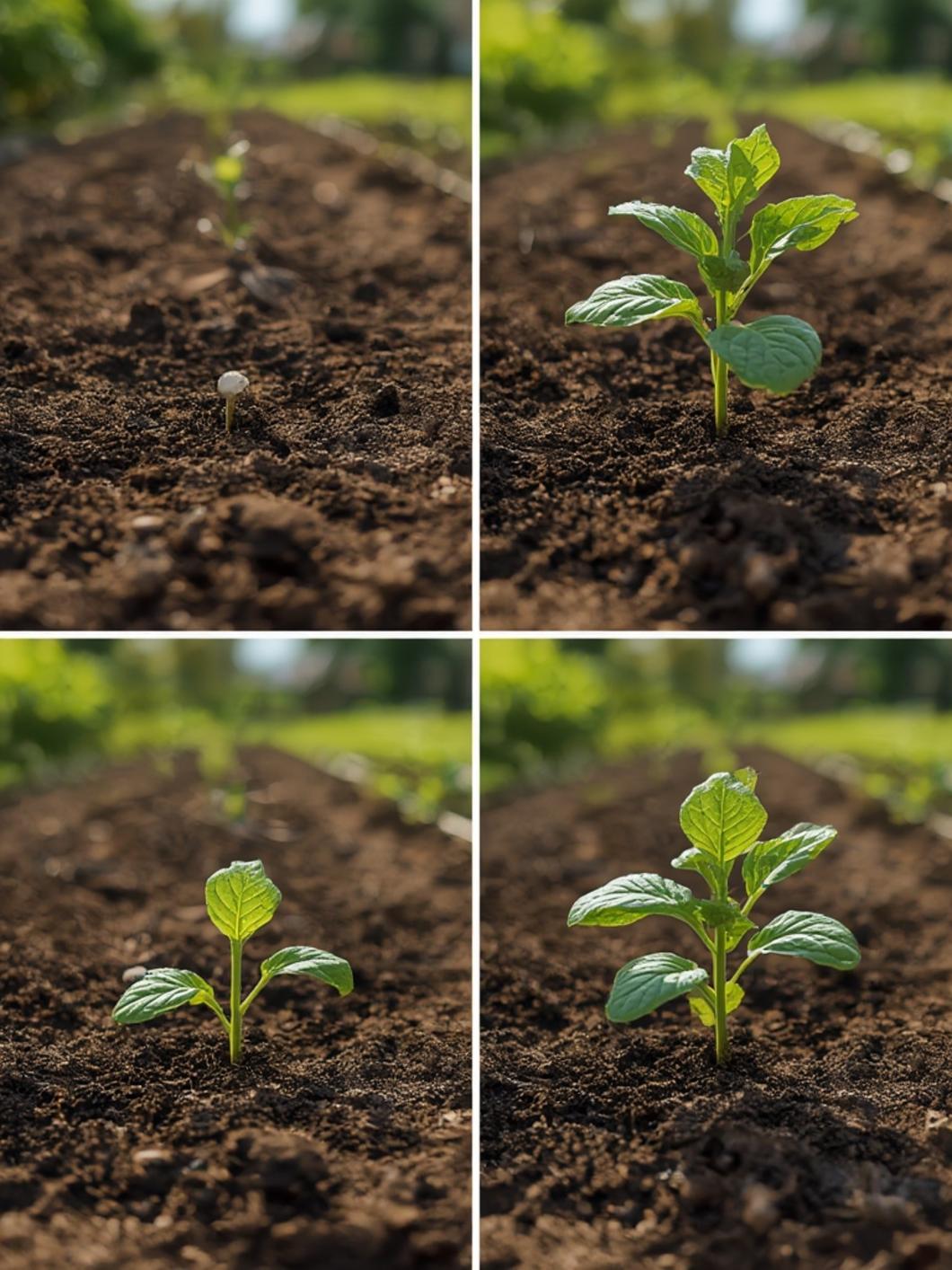
Creating a schedule for your zoned garden involves understanding the lifecycle of each plant:
– Prep Time: Usually a few weeks before the last frost for most zones, preparing the soil and layout.
– Growth Period: Varies widely. Leafy greens may take 30-45 days, whereas fruits like tomatoes might need 60-80 days.
– Harvest Time: Staggered or successive harvesting can keep your garden productive from spring through fall.
Planning with these timeframes in mind allows your garden to have continual production and varied yields.
Step by Step Instructions
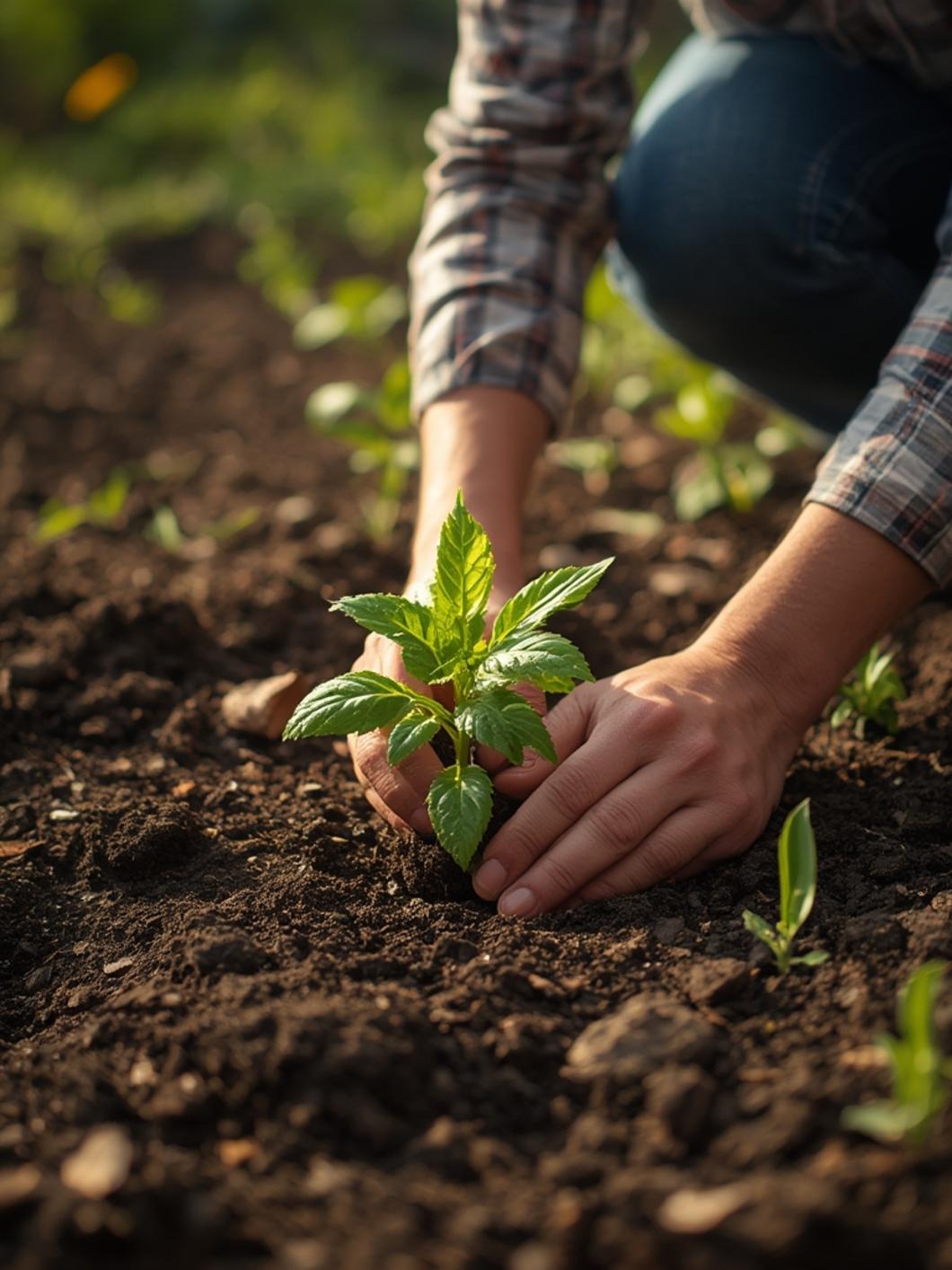
1. Zone Planning: Assess your garden’s exposure to sun and wind. Divide your garden into zones based on these environmental factors.
2. Soil Preparation: Enhance soil in each zone according to the plants’ requirements. Acidic soil for berries, fertile loam for vegetables, etc.
3. Plant Selection: Choose plants that thrive in designated zones. Use companion planting to boost health and yield.
4. Planting: Follow specific depth and spacing guidelines for each type of seed or seedling.
5. Maintenance: Regular watering, weeding, and fertilizing tailored to each zone’s needs.
6. Harvesting: Ensure to harvest at peak maturity. Frequent harvesting encourages more production.
Incorporating these garden zoning tips can significantly influence the success of your planting strategy.
Nutritional Benefits / Advantages
Growing your own food in a zoned garden offers immense nutritional benefits. Fresh, homegrown produce is richer in vitamins, minerals, and antioxidants than store-bought counterparts, which often lose nutritional value in transit. Additionally, cultivating a variety of plants can provide a more diversified diet, which is beneficial for health.
Tips, Alternative Methods, or Gardening Advice
Consider the following alternates and tips for enhancing your zoned garden:
– Container Gardening: Great for limited spaces and controlling soil quality.
– Raised Beds: Ensure better drainage and fewer weed issues.
– Indoor Growing: Herbs and smaller plants can be grown indoors if outdoor conditions are not ideal.
Adapting these methods according to your space and climate can yield excellent results.
Common Mistakes to Avoid
– Improper Zoning: Avoid planting sun-loving plants in shaded zones.
– Neglecting Soil Health: Each zone may require different soil amendments.
– Overcrowding Plants: Interferes with growth and increases disease risk.
Understanding and addressing these common issues is crucial for a thriving garden.
Storage / Maintenance Tips
After harvest, proper storage is key to prolonging the freshness of your produce. Cool, dark places are ideal for root vegetables, whereas leafy greens do best in humid, cooler spaces. Ongoing care through proper pruning, seasonal fertilizing, and pest control ensures your garden remains healthy and productive year-round.
Conclusion
Embracing the concept of a zoned garden and applying garden zoning tips can significantly enhance your gardening experience. With the right planning and care, your garden can not only become more productive but also more sustainable. Whether you’re growing herbs, vegetables, or flowers, zoning makes it easier to manage diverse plant needs, leading to better harvests and healthier plants.
FAQs
1. What is the best time to start zoning my garden?
– Start during the planning phase of your garden, ideally before planting begins.
2. Can I use synthetic fertilizers in my zoned garden?
– While organic is preferable, synthetic fertilizers can be used sparingly according to plant needs.
3. How do I know if my zoning is effective?
– Monitor plant health and productivity. Adjustments might be needed as you learn which plants thrive best in which zones.
4. Can I mix flowers and vegetables in the same zone?
– Absolutely, especially if they have similar sun, water, and soil requirements. Companion planting can be beneficial.