Follow Me On Social Media!
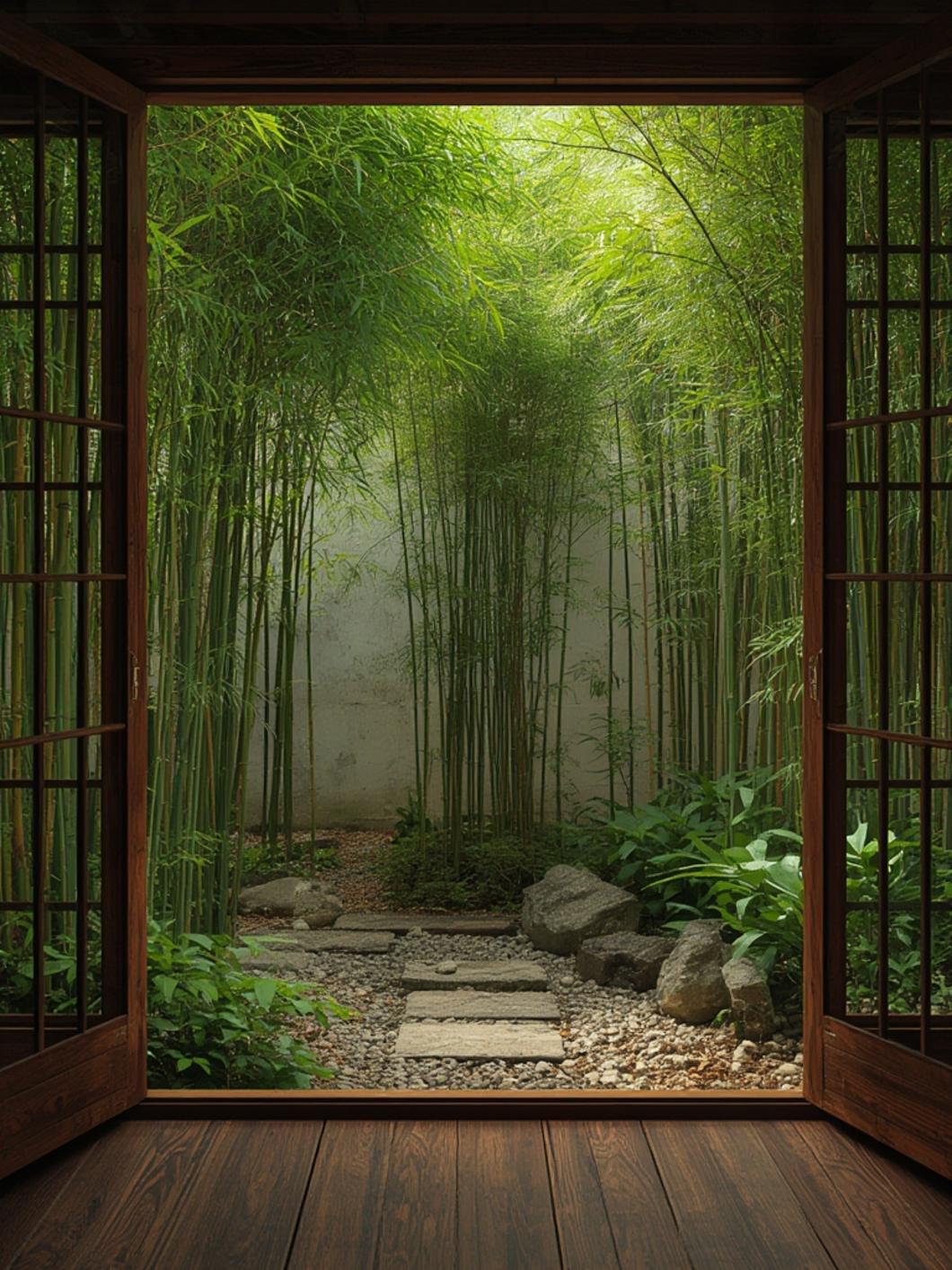
Proven Way to Grow a Bamboo Garden in 5 Steps

How to Thrive with a Bamboo Garden in Your Backyard
Have you ever admired the serene beauty of a bamboo garden? Not only do these gardens bring a sense of peace and tranquility, but they are also surprisingly easy to cultivate. This blog post will take you through the essential steps to create and maintain a flourishing bamboo garden, incorporating bamboo plants landscaping to enhance the aesthetic of your outdoor space.
Table of Contents
Materials & Supplies
To kickstart your bamboo garden, you will need:
– Bamboo seeds or rhizomes
– Well-draining soil
– Large pots (if planting indoors)
– Organic fertilizer
– Mulch (optional, for soil moisture retention)
– Gardening tools (spade, pruning shears)
– Watering can or garden hose
For those considering container gardening, choose pots that can accommodate the root growth of bamboo, which is quite extensive.
Timing / Growing Schedule
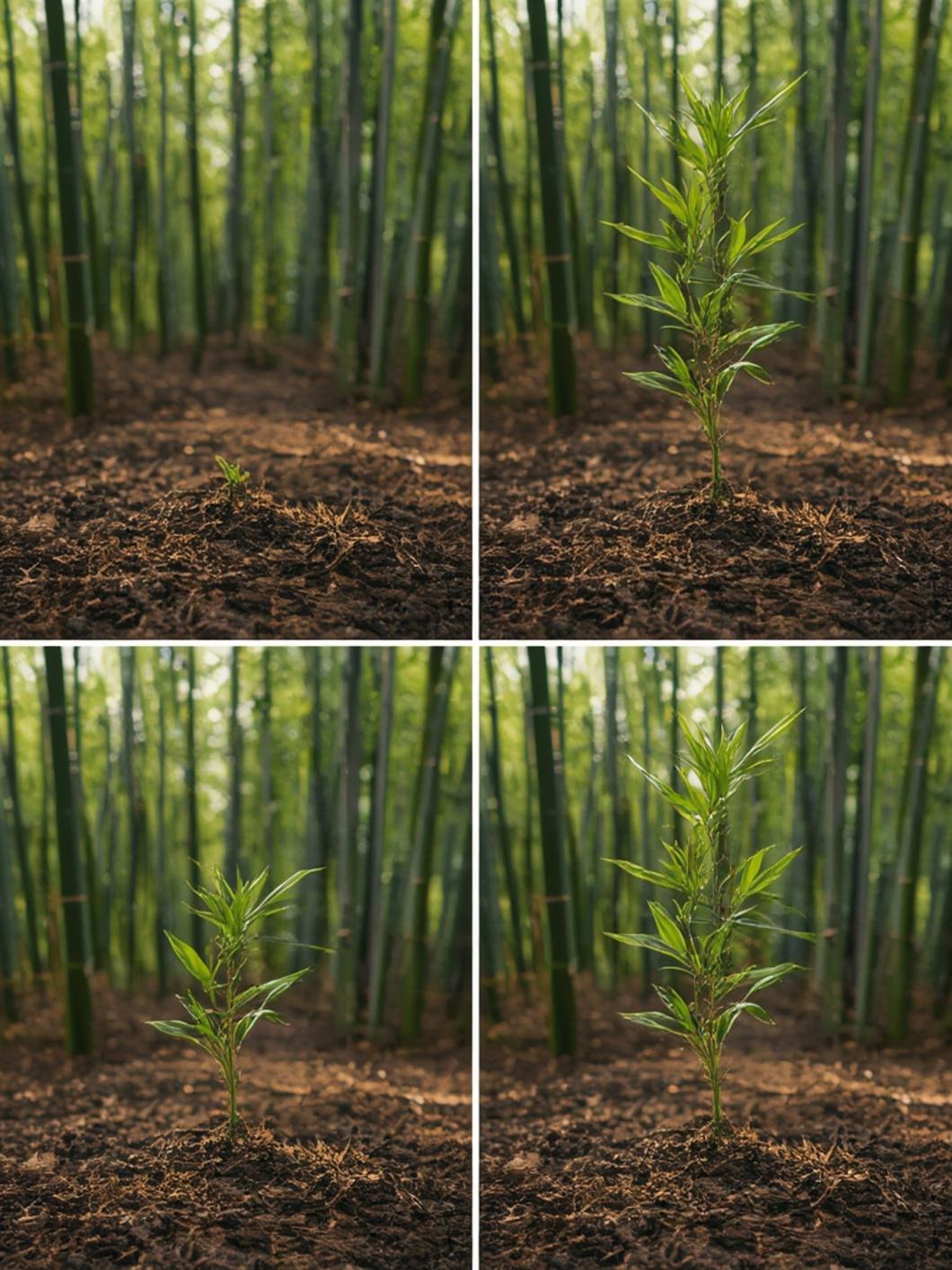
Preparing your bamboo garden doesn’t take much time. The growth period, however, can depend on the variety. Typically, bamboo reaches maturity within 3 to 5 years but starts adding visual appeal within the first few months. Comparatively, it’s faster than many large tree species, making bamboo an excellent choice for quick landscaping improvements.
Step by-Step Instructions
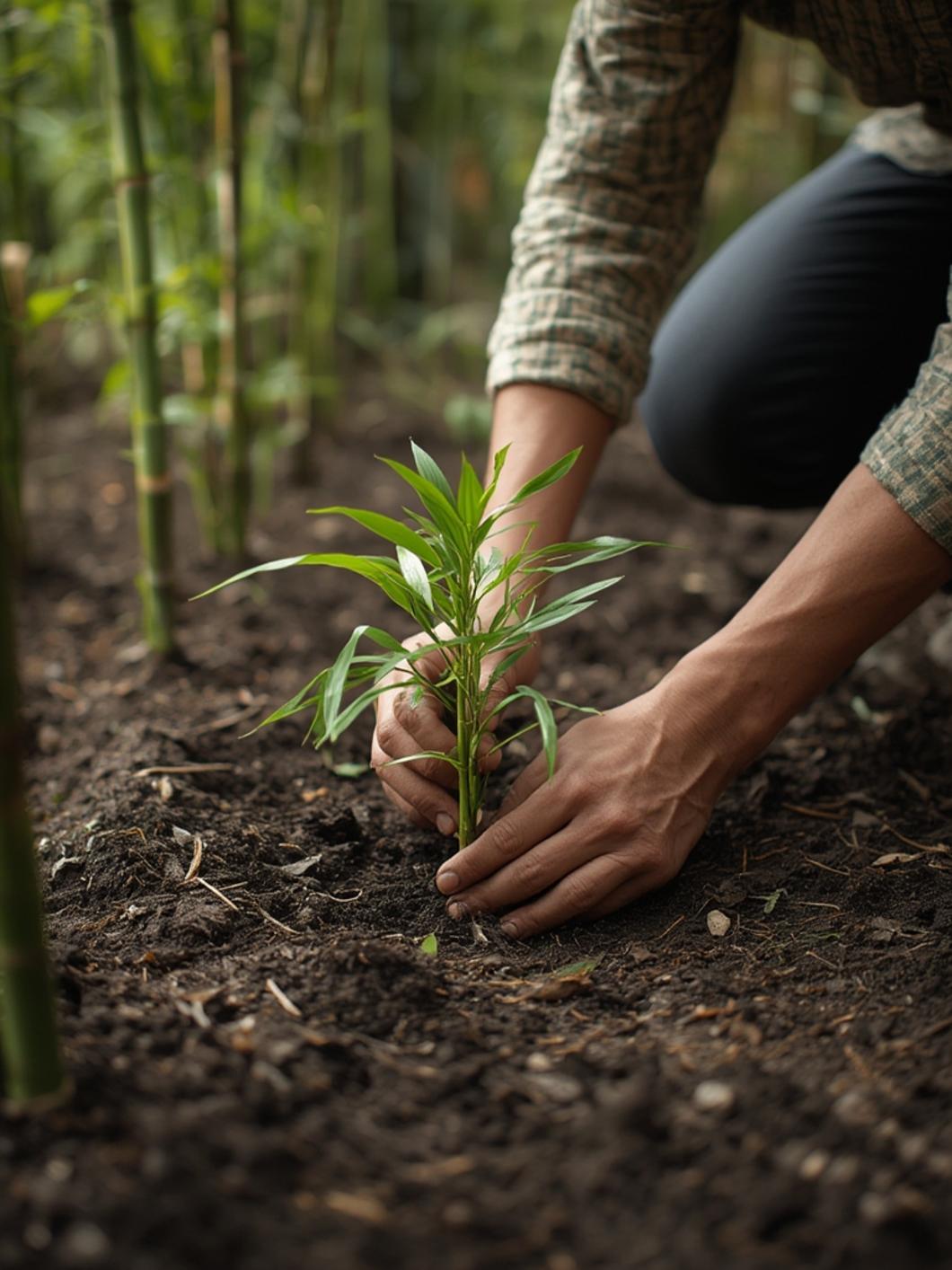
1. Site Selection: Choose a location that receives adequate sunlight and has good soil drainage.
2. Soil Preparation: Till the soil and mix in organic fertilizer to provide a nutrient-rich base.
3. Planting: Plant the seeds or rhizomes spaced according to the species’ specifications.
4. Watering: Bamboo needs consistent watering, especially during its growth phase. Avoid water stagnation to prevent root rot.
5. Mulching: Apply a layer of mulch to help retain soil moisture.
6. Pruning: Regularly prune the bamboo to manage its height and spread.
Each step is vital for the healthy growth of your bamboo garden and effective bamboo plants landscaping.
Nutritional Benefits / Advantages
Bamboo is not just aesthetically pleasing; it’s also environmentally beneficial. Bamboo plants absorb carbon dioxide and produce 35% more oxygen compared to similar plant masses. They also provide substantial biomass, contributing to soil health with natural leaf drop that decomposes and enriches the soil.
Tips, Alternative Methods, or Gardening Advice
Container gardening is an excellent alternative for those with limited space. For colder climates, consider a portable arrangement that can be moved indoors during harsh winters.
Common Mistakes to Avoid
A frequent error in bamboo gardening is underestimating its growth capability. This can lead to overcrowding and nutrient competition. Ensure your garden space can accommodate the mature size of the bamboo, or opt for clumping varieties which are less invasive than their running counterparts.
Storage / Maintenance Tips
Post-harvest, bamboo can be stored by drying the canes and keeping them in a cool, dry place. Regular maintainence should involve checking for pests, thinning the clumps to prevent overgrowth, and applying fertilizer annually to support healthy growth.
Conclusion
Embarking on the journey to grow a bamboo garden and engage in bamboo plants landscaping can transform both your garden’s aesthetics and the local ecosystem. This sustainable and striking choice will not only beautify your home but also contribute positively to the environment.
FAQs
Q1: How often should I water my bamboo garden?
– Bamboo prefers moist soil, especially in the growth phase. Water regularly but ensure proper drainage to prevent root rot.
Q2: Can bamboo grow in colder climates?
– Yes, certain species of bamboo are cold-resistant. However, opting for container gardening allows you to move plants indoors during extreme cold.
Q3: How do I control bamboo spread?
– Choose clumping varieties or install root barriers for running types to control their spread effectively.
Q4: How long until my bamboo garden reaches maturity?
– Most bamboo species reach maturity in about 3 to 5 years, though they start improving garden aesthetics much sooner.
By following these steps and guidelines, you’ll be well on your way to creating a lush, vibrant bamboo garden that provides both beauty and environmental benefits. Ready to start gardening?