Follow Me On Social Media!
Guide to Low-Maintenance Perennials for Long-Term Beauty

Table of Contents
For many homeowners, the dream of a lush, vibrant garden often feels like a full-time job. We envision ourselves sipping lemonade on the patio, surrounded by blooms, but the reality is often hours of weeding, deadheading, and the annual chore of replanting. If you are looking for a way to break that cycle, the secret lies in choosing low-maintenance perennials for long-term beauty. Unlike annuals that live fast and die young, these hardy plants are the marathon runners of the botanical world—returning year after year with minimal fuss.
In this guide, we’ll dive into how you can design a “set it and forget it” flower bed that stays stunning through the seasons, saves you money, and maximizes your relaxation time.
Why Choose Perennials Over Annuals?
The foundation of any sustainable DIY garden project is efficiency. While annuals provide instant, intense color, they require a fresh investment of time and money every single spring. By shifting your focus toward low-maintenance perennials for long-term beauty, you are investing in the “infrastructure” of your landscape.
- Cost-Effective: You buy them once, and they multiply over time.
- Deep Root Systems: Once established, perennials are often more drought-tolerant than annuals.
- Soil Health: Their permanent root structures help prevent soil erosion and improve the underground ecosystem.
Top Picks for a Hassle-Free Flower Bed
If you want a garden that thrives on neglect, you need “workhorse” plants. These varieties are famous for their resilience, pest resistance, and ability to look great even if you skip a weekend of chores.
1. Coneflowers (Echinacea)
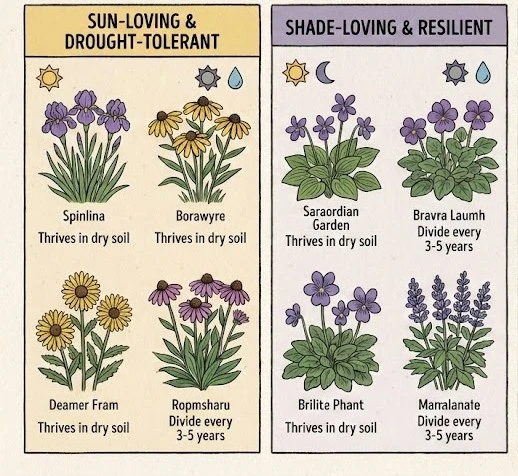
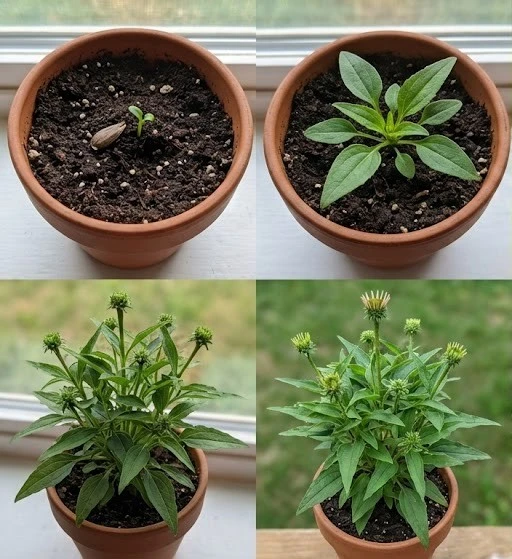
Coneflowers are the royalty of the low-maintenance world. These sun-loving natives are incredibly hardy and come in shades ranging from classic purple to fiery orange. They are heat-tolerant, attract pollinators like bees and butterflies, and their dried seed heads provide architectural interest (and bird food) in the winter.
2. Hostas
For the shaded corners of your yard, Hostas are unrivaled. Known primarily for their lush, architectural foliage, they come in a stunning array of blues, greens, and variegated chartreuse. They are remarkably long-lived and require very little besides occasional watering during extreme dry spells.
3. Daylilies (Hemerocallis)
Often called “the perfect perennial,” daylilies can grow in almost any soil type. They are rugged, bloom profusely, and are excellent for filling large gaps in your garden beds. Modern cultivars can offer “re-blooming” capabilities, providing color from early summer through the first frost.
Designing for Year-Round Interest
One common mistake in DIY gardening is focusing only on the “peak” of summer. To achieve true long-term beauty, you must consider the “skeleton” of your garden.
The Power of Evergreens
To ensure your garden doesn’t look like a barren patch of dirt in January, intersperse your perennials with small evergreen shrubs or groundcovers. Plants like Boxwood, Juniper, or Creeping Phlox provide a green backdrop that makes your perennial blooms “pop” during the spring and summer, while maintaining structure during the winter months.
Layering Your Blooms
When planning your layout, use the “Rule of Three” for heights:
- Back Row: Tall perennials like Joe Pye Weed or Delphinium.
- Middle Row: Reliable fillers like Coneflowers or Black-Eyed Susans.
- Front Row: Low-growing varieties like Sedum or Heuchera (Coral Bells).
Planting Tips for Success
To get the most out of your low-maintenance perennials for long-term beauty, the initial planting phase is the most critical. Do the work right now, and you’ll do less work later.
| Feature | Best Practice | Benefit |
| Soil Prep | Add 2 inches of organic compost before planting. | Feeds plants for years and improves drainage. |
| Mulching | Apply a 3-inch layer of wood chips or straw. | Suppresses weeds and retains moisture. |
| Spacing | Follow the tag instructions for “mature width.” | Prevents overcrowding and fungal diseases. |
| Watering | Deep soakings once a week during the first year. | Encourages deep, drought-resistant roots. |
Maintenance Made Easy: The “Lazy” Gardener’s Schedule
Even though we are aiming for low maintenance, a tiny bit of effort goes a long way. Here is a simplified checklist to keep your perennials thriving:
- Spring: Clear away dead foliage from the previous year. Apply a fresh layer of mulch to keep those weeds at bay.
- Summer: Enjoy the blooms! If you notice plants like daylilies getting too crowded (usually every 3-5 years), you can easily “divide” them with a spade and plant the extras in a new spot—free plants!
- Autumn: Leave the seed heads of plants like coneflowers and ornamental grasses. They provide texture in the snow and help local wildlife.
- Winter: Research and plan your next small DIY addition while your perennials sleep.
The Environmental Impact of Perennial Gardening
Beyond the aesthetic and time-saving benefits, choosing low-maintenance perennials for long-term beauty is a win for the planet. Because these plants stay in the ground year-round, they develop complex relationships with soil fungi and beneficial insects.
By reducing the need for constant tilling and replanting, you preserve the soil structure and sequester more carbon. Additionally, many low-maintenance perennials are native species, which provide essential habitats for local pollinators that are struggling due to habitat loss.
Conclusion: Start Your Low-Maintenance Journey Today
Creating a stunning landscape doesn’t have to be an exhausting endeavor. By prioritizing low-maintenance perennials for long-term beauty, you are choosing a garden that grows with you, rather than one you have to constantly work against. From the rugged reliability of coneflowers to the elegant foliage of hostas, these plants offer a high return on investment for any DIY enthusiast.
Stop spending your entire weekend weeding and start enjoying the view. With the right selection of perennials and a solid design plan, you can have a backyard that looks professionally landscaped with only a fraction of the effort.